Pole Barn Insulation Prices (2026 Guide)
How Much Does Pole Barn Insulation Rolls Cost?
Fiberglass-faced pole barn insulation rolls cost depends on 4 key factors:
- R-value (insulation thickness) required
- Type of facing (WMP-VR-R+, WMP-10, WMP-30, and WMP-50)
- Total square footage required
- Freight distance from the closest fiberglass NIA, ASTM, NAIMA -certified plant
- However, there is one more factor rarely considered: one’s willingness to buy when one reaches one’s desired savings. This preparedness reduces a company’s operational costs. These savings can be passed down with cost-plus programs.
Use the Fiberglass Insulation Wholesale Calculator (below) to review wholesale pole barn insulation prices (2026) from R-8 to R-30 and related service fees. Then compare these prices to market quotes and review Factory Steel Overstock’s service record. Since Factory Steel Overstock offers an easy-to-use wholesale pricing calculator and promises savings, custom quotes are prepared exclusively for those ready to buy today.
Pole Barn Insulation Rolls – Best Prices
Unlike traditional retail outlets that bundle the prices of pole barn insulation rolls, a cost-plus insulation outlet separates your price.
To verify it offers the best prices on pole barn insulation rolls, Factory Steel Overstock clearly posts the wholesale cost, the service fee (profit), and applicable freight and taxes separately.
Select one of the four protective fiberglass vapor barrier facings (below):

VR-R Plus (SALE)
Normal Strength
The WMP-VR-R Plus is a popular choice for pole barn insulation, offering a winning combination of energy efficiency, durability, and reliable thermal performance.
The fire rating is Class A-1.
The thinner vinyl layer means it is easier to roll, cut, and install. The metalized polyester back allows it to reflect radiant heat away from the structure.
Designed specifically for pole barns and metal buildings, with Tri-directional Scrim for added tear resistance.

WMP-10
Enhanced Strength
The WMP-10 pole barn insulation rolls are a fiberglass-reinforced vapor retarder with a PSK (polypropylene/scrim/kraft) laminate, offering basic durability and enhanced moisture control.
WMP-10 has a tensile strength of 40 lbs. per inch.
The Mullen Burst PSI is 65 lbs.
Perm Rating 0.2
The fire rating is Class A-1.

WMP-30
Industrial Strength
The WMP-30 pole barn insulation rolls are a heavy-duty, vinyl-reinforced insulation facing designed to meet the higher demands of pole barn applications. With superior moisture resistance, improved thermal efficiency, and exceptional durability, it outperforms the WMP-10—making it an excellent choice for more demanding environments.
Perm Rating 0.2
The fire rating is Class A-1.
Mullen Burst PSI 70 lbs per inch

WMP-50
Premium Strength
(SALE)
The WMP-50 pole barn insulation rolls are the highest-performing option among pole barn insulation facings, surpassing the WMP-30 with maximum moisture resistance, outstanding thermal efficiency, and unmatched durability. Engineered for extreme environments.
Perm Rating 0.2
The fire rating is Class A-1.
Mullen Burst PSI 120 lbs per inch
Pole Barn Insulation Accessories

Double-Sided Tape
$35
Double-sided tape is normally purchased when the sheeting hasn’t been installed. It temporarily holds the insulation in place until the sheeting is installed.
3″ x 150′. Recommended one roll per 2,000 square feet.
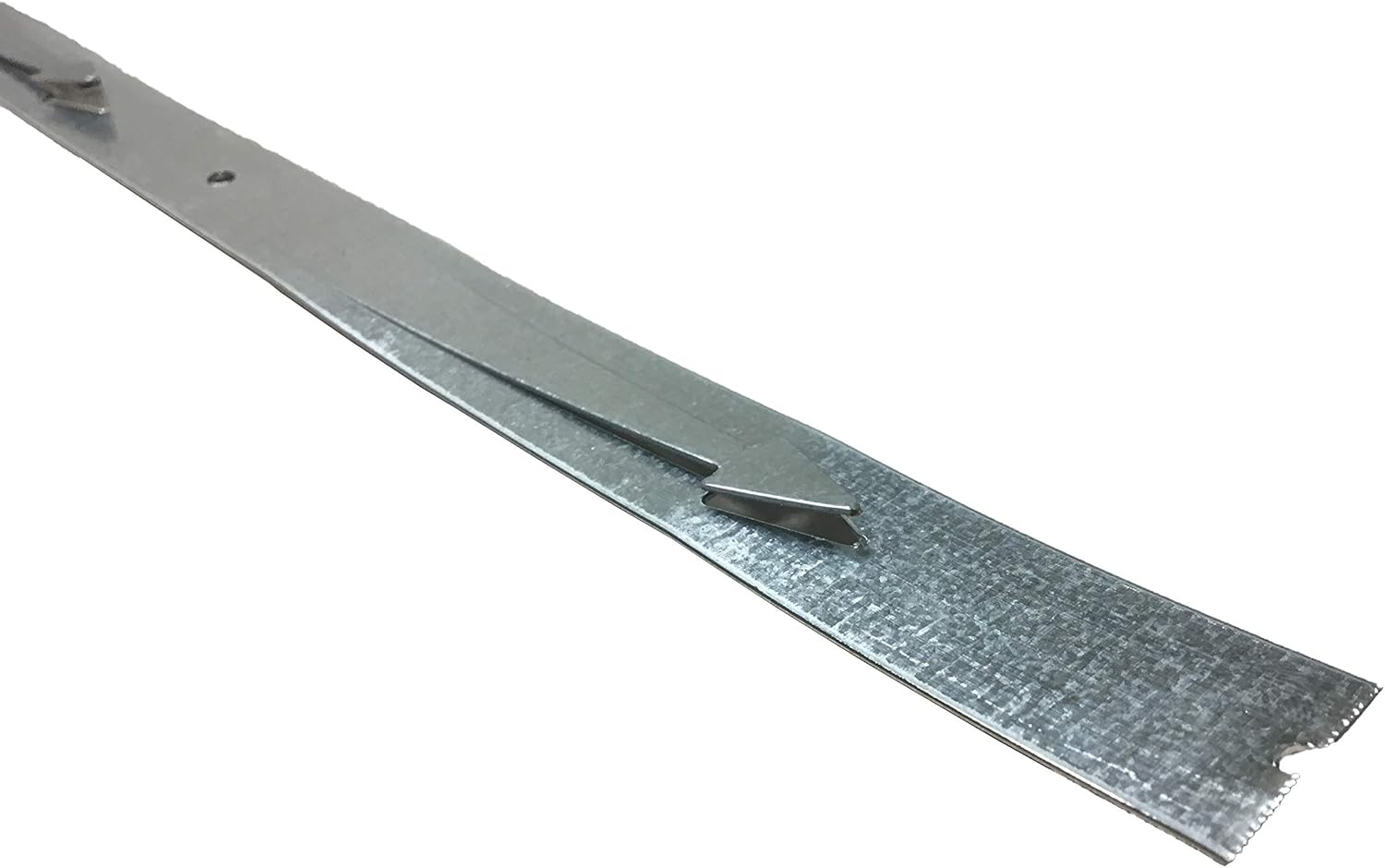
Insul-Holds
$78
Cut Insul‑Hold strips to fit between wall members (metal or wood) — then screw the outer flange to each member with the arrow‑tabs pointing up and bent inward about 90°. Press the insulation onto the arrow‑tabs so it stays firmly in place.
Additional support or materials may be needed depending on the insulation type, wall height, and building conditions
100′ in length
Banding
$175
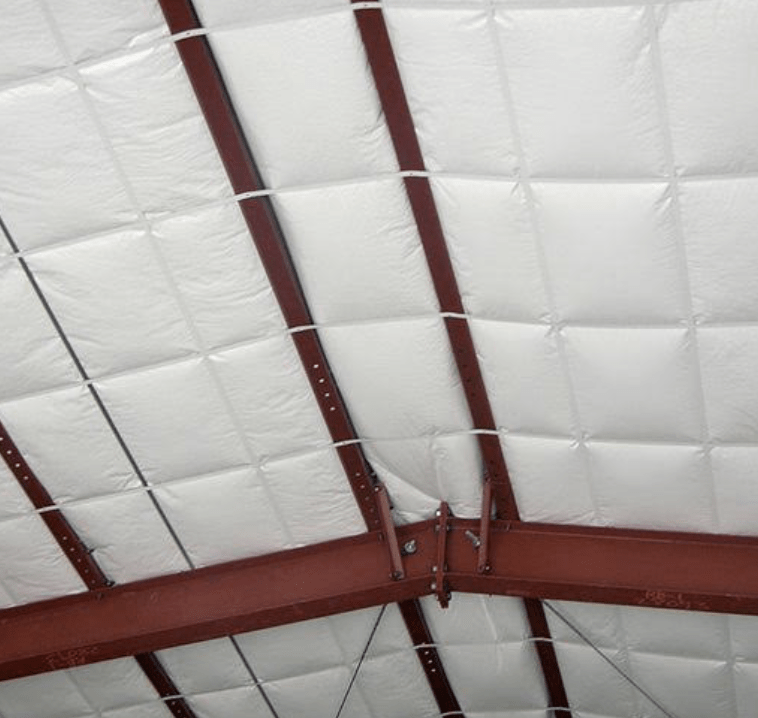
Banding helps secure insulation from sagging and shifting within a pole barn. With a metal building, self-tapping screws are often used. With a pole barn, nails are used to secure the banding.
500′ (linear) per 1,000 square feet of insulation coverage.

You can have your pole barn insulation rolls installed following the roof pitch, above the trusses, and the underside of the trusses.
Need to learn your Pole Barn’s Square footage?
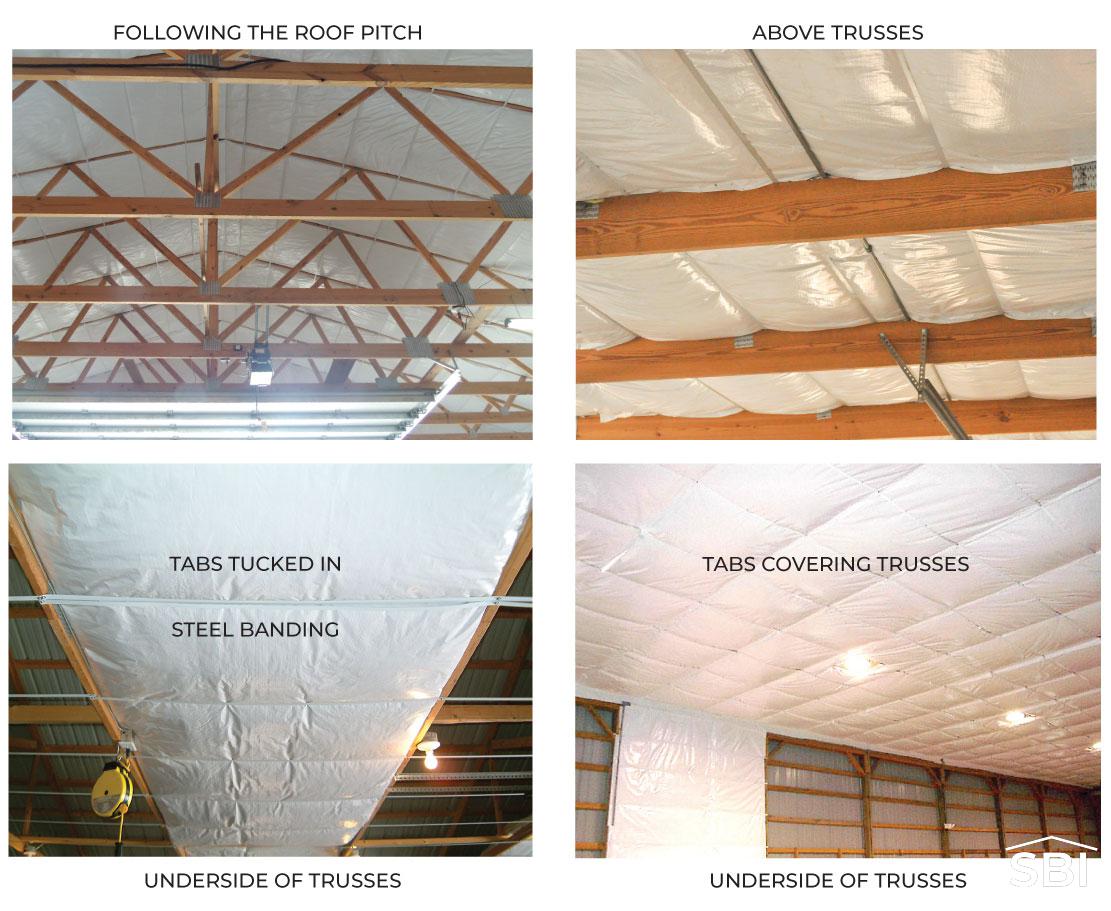
How to Install Fiberglass Faced Insulation Beneath and Above Pole Barn Trusses
Installing Beneath Pole Barn Trusses
If you’re looking to insulate the underside of your pole barn trusses, fiberglass-faced insulation with a durable vinyl vapor barrier is a top-tier option. Reinforced varieties such as VR-R Plus, WMP-10, WMP-30, or WMP-50 are especially recommended. These materials offer enhanced moisture resistance and tear protection—making them ideal for pole barn fiberglass insulation applications.
Begin installation at one end of the structure and staple the facing to the bottom of each truss, working steadily across the span. Make sure to overlap each seam slightly to maintain full coverage and reduce the risk of heat loss. To keep the insulation firmly in place, consider using banding straps. Alternatively, some builders prefer hangers, support wires, or even netting for added stability.
It’s essential to maintain adequate ventilation above the insulation layer. Proper airflow will help prevent condensation and moisture damage that can compromise both the insulation and the pole barn’s structural integrity. For a professional and efficient finish, be sure to tape the seams and seal around any penetrations.
Why Install Insulation Below the Trusses?
While installing insulation above the trusses is often simpler during the initial build, placing it beneath is typically the best solution for retrofitting a fully constructed pole barn.
This approach allows ventilation space to remain open above the insulation, which is key in reducing moisture buildup and preventing mold growth. In addition, installing fiberglass insulation rolls beneath the trusses helps maintain their shape and prevents sagging, which can occur over time if insulation is laid on top.
For those looking to boost energy efficiency and climate control in a cost-effective way, fiberglass faced insulation offers reliable long-term performance. It’s no surprise that it’s one of the most popular choices for pole barn insulation, thanks to its durability, affordability, and ease of installation.
The Benefits of Installing Pole Barn Insulation Rolls Above the Trusses
When constructing a pole barn, one of the most effective and space-saving methods of insulation is placing fiberglass-faced insulation above the trusses. While some opt to retrofit insulation underneath later on, installing it above during the initial build provides several long-term advantages.
How to Properly Insulate Above the Trusses
To insulate above your pole barn’s trusses, lay fiberglass insulation rolls or batts across the top, running perpendicular to the trusses. This helps ensure even coverage and optimal thermal performance. Many builders and DIYers look for fiberglass faced insulation rolls for sale to find cost-effective options that still offer durability and a reliable vapor barrier.
Make sure the insulation fits securely without being overly compressed, which can reduce its R-value. You can secure the material with support wires, mesh, or boards to keep it in place. When using pole building insulation with a fiberglass face, overlap the seams slightly and seal them for a tighter fit. In colder climates, installing a vapor barrier beneath the insulation is crucial to reduce moisture intrusion.
Always ensure proper attic ventilation to prevent condensation buildup and potential damage over time. And for safety, don’t forget gloves, eye protection, and a mask when working with fiberglass.
Why Install Pole Barn Insulation Rolls Above the Trusses?
Placing insulation above the trusses helps keep your barn’s interior clear and unobstructed. This method maximizes ceiling height and reduces the risk of insulation being damaged by equipment or activity inside the structure. It also creates a buffer zone between the insulation and the barn interior, allowing better airflow and minimizing condensation issues.
Additionally, this setup results in a cleaner finish and is considered a more permanent solution. Many builders prefer to buy pole barn fiberglass insulation in bulk or opt for fiberglass insulation kits for pole barns to ensure they have everything they need on hand and ready to go.
Understanding Pole Barn Insulation Types and Installations
Should I insulate my pole barn?
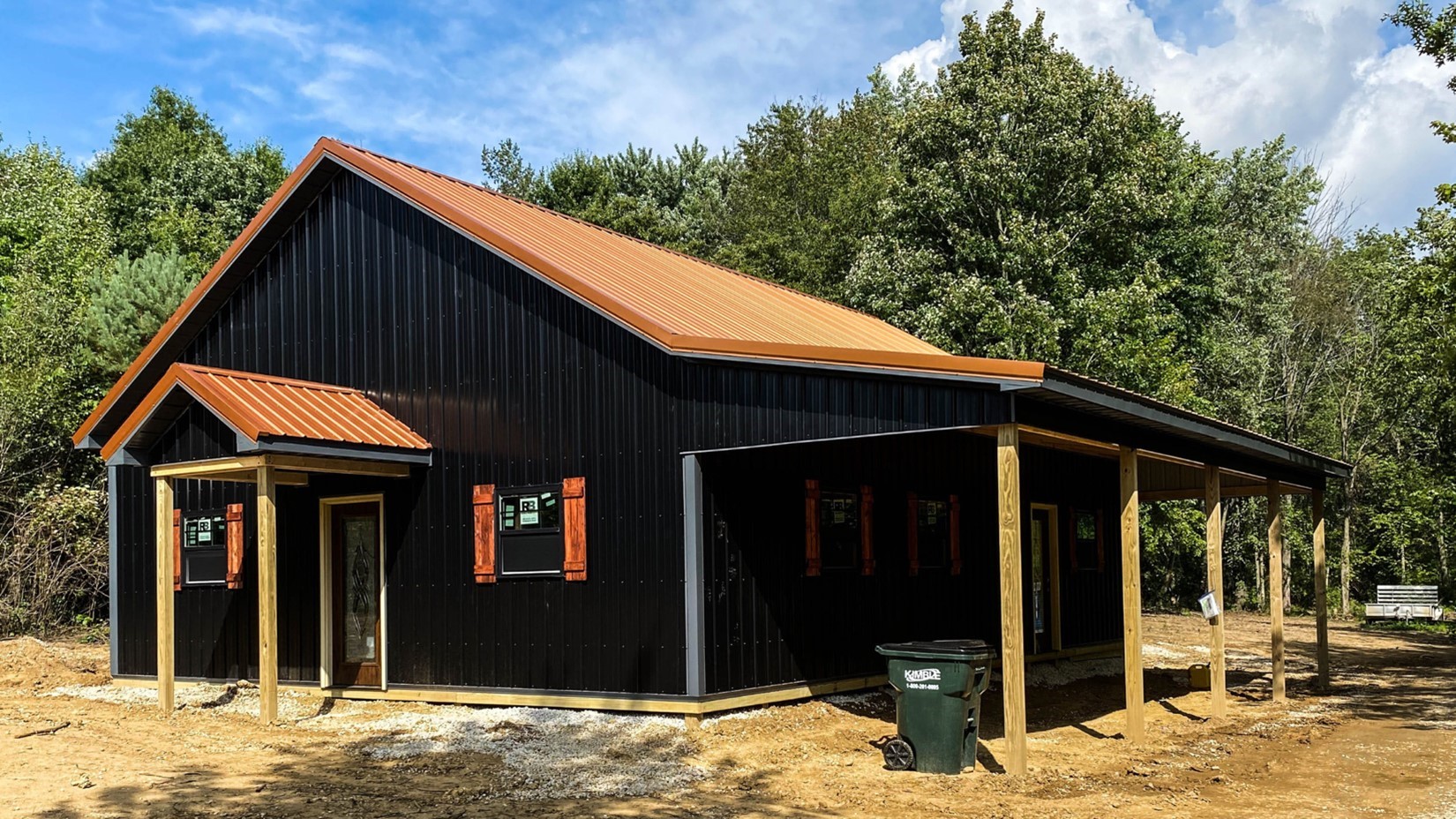
Why You Should Insulate Your Pole Barn?
Your pole barn is an large investment, in most cases, it is second only to your home, and it should be protected as such. I Properly insulating your pole barn increases its comfort, functionality, and longevity.
When installing pole barn insulation, you stabilize the interior temperature, making it more energy-efficient, which reduces heating and cooling costs. In addition, it protects the structure against moisture and condensation, which can cause mold and mildew, which will degrade the structural integrity of the structure. Condensation control in pole barns is critical, as unchecked moisture can lead to structural decay, damage to stored items, and even health issues.
One important factor to consider is the R-value for pole barn insulation, which measures the material’s resistance to heat flow. Choosing the right R-value for your region ensures optimal thermal performance and long-term energy savings.
Additionally, including a vapor barrier for pole barn insulation helps prevent moisture from penetrating the walls and ceilings. This added layer of protection reduces the risk of mold growth and helps maintain a dry, healthy environment inside your building.
Pole Barn Insulation Options
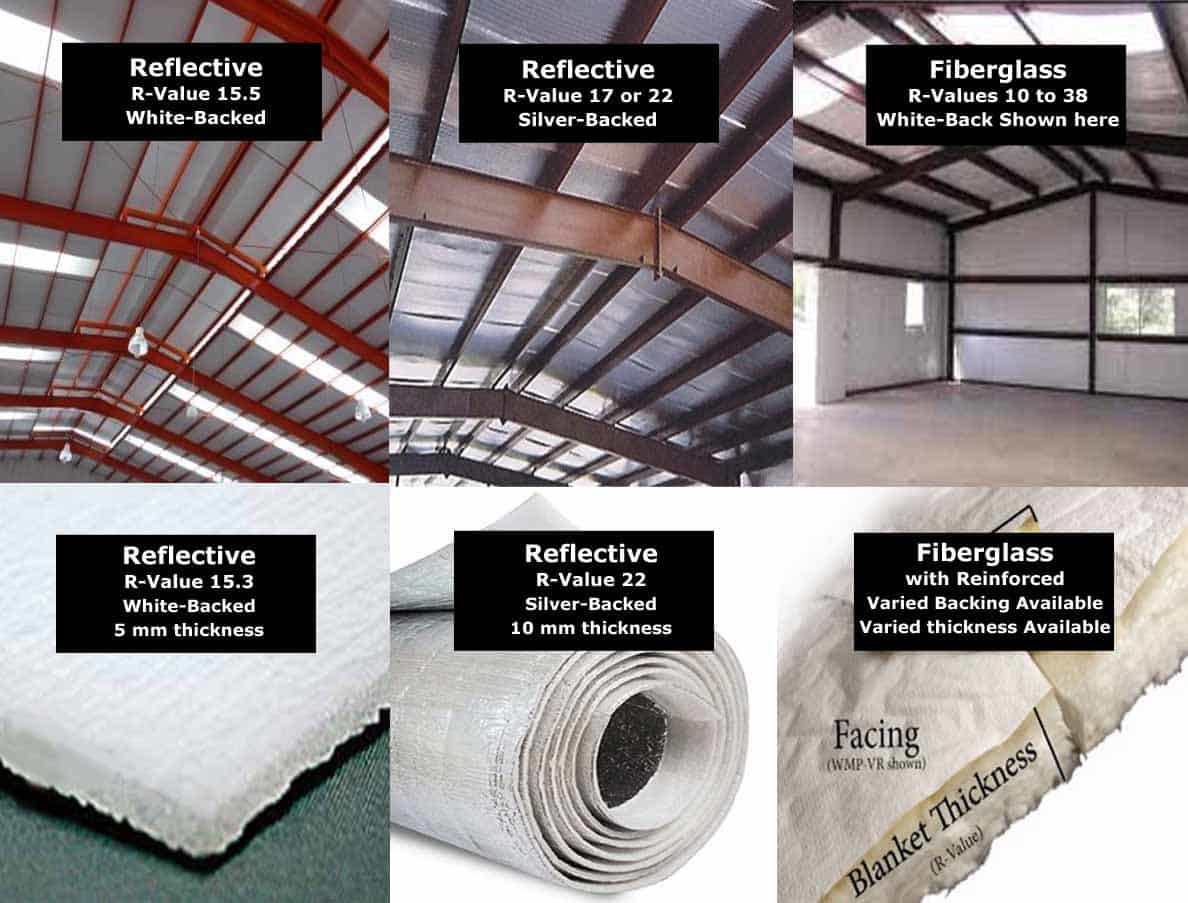
Insulation Options for Your Pole Barn
Spray Foam Insulation (Though most industry experts would say it offers the Best Overall Performance, lets thoroughly look at why, since it is more expensive than the alternative insulation type)
Why it’s best:
- Since Spray foam fills in cracks, it is an excellent air sealant, having a high R-value per inch. It is great for irregular spaces and retrofits.
Fiberglass Batt or Roll Insulation (If saving $ is your focus, this is the Best Budget Option)
Why do the public choose it:
- It is affordable and budget friendly,.Definitely is the easiest insulation to install between struts and frames.
- When paired with a vapor barrier, it is a strong vapor barrier and condensation controller…Like all insulation types, it has its drawbacks too. It doesn’t seal as well around cracks and award areas as well as spray foam
Reflective “Barrier” Insulation (Best for Hot Climates)
Why it’s selected:
- It can reflect up to 97% of radiant heat transfer and reduce interior temperatures. It is lightweight and moisture-resistant. Also, it is an excellent insulation for hot climates. We recommend it be utilized with other insulation types
Drawbacks: Not effective alone in cold climates
How to Install Reflective Insulation in a Pole Barn
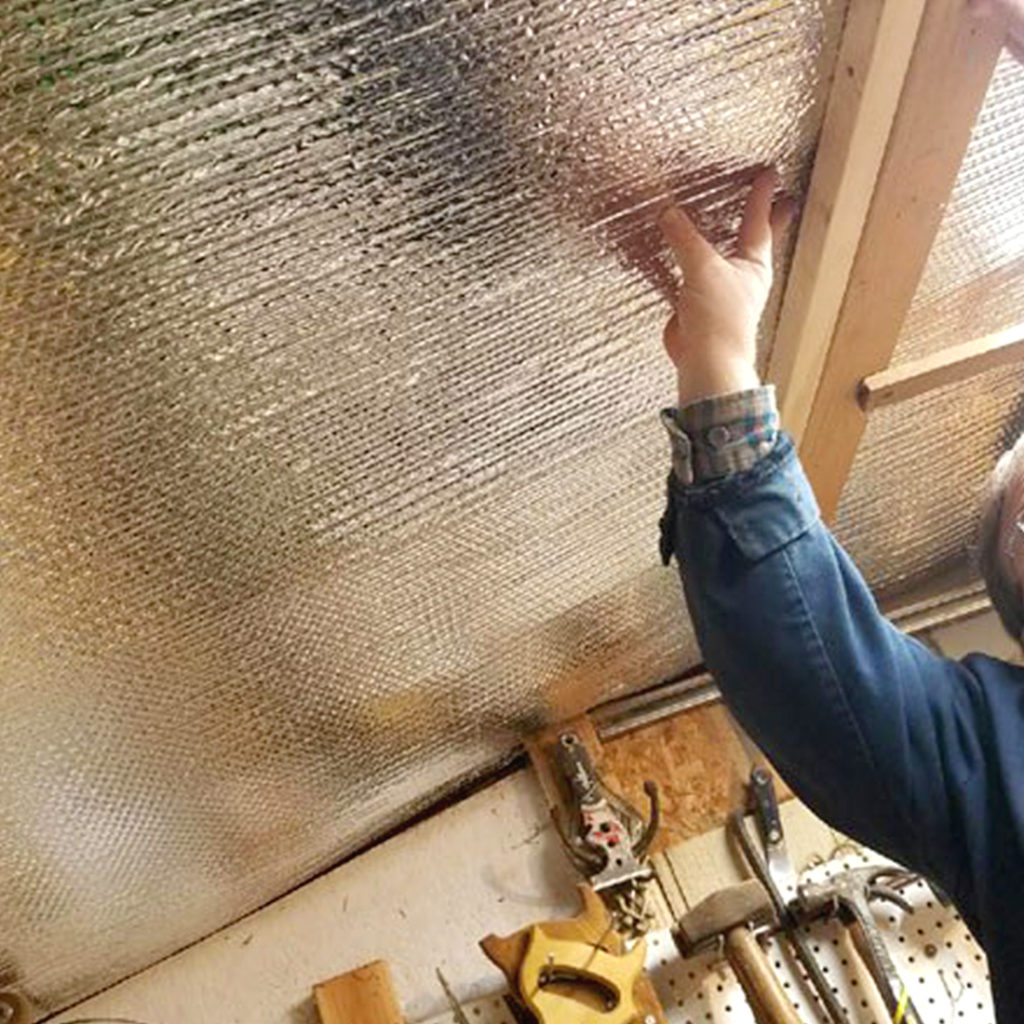
Simple Reflective Insulation Instructions
This is a brief and general instruction process for installing reflective pole barn insulation: The first thing to do is measure the spaces between the frames and cut the insulation material you have chosen to fit between these areas. When you use reflective insulation, the glossy, reflective side faces the open-air space.
The pole barn insulation should be secured to the framing using staples, adhesive tape, or bands. Overlap the seams between pieces to ensure there are no gaps. The last thing you will do is use tape to close off the edges and joints.
Basic Installation of Fiberglass Insulation in a Pole Barn
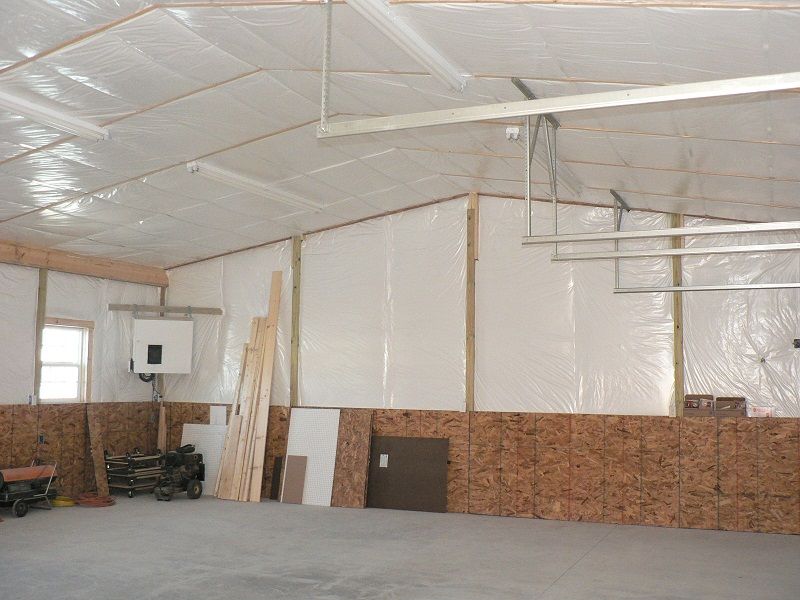
Pole Barn Insulation Basic Installation Instructions
To install fiberglass insulation, start by measuring the spacing between the framing members because you will need to cut the fiberglass to fit these spaces. While handling fiberglass, it would be wise to wear protective gear like gloves and a mask. You can start at one end and place the batts between the framing, ensuring the Vinyl vapor barrier side faces the barn’s interior. This will prevent moisture issues.
For maximum effectiveness, ensure the batts fit securely by using staples along the edge of the framing. You don’t want gaps. Finally, the insulation should be covered with a finishing material like plywood or drywall to protect and conceal it.
Real-World Installation Considerations
Proper installation is the key determinant of insulation performance more than the choice of facing alone.
Key best practices:
*Install before steel panels when possible
*Avoid compressing insulation as much as possible
*Seal penetrations around doors, windows, and mechanical openings
*Poor installation can reduce insulation performance by 10–30%.
Pole Barn Fiberglass Blanket Insulation Rolls
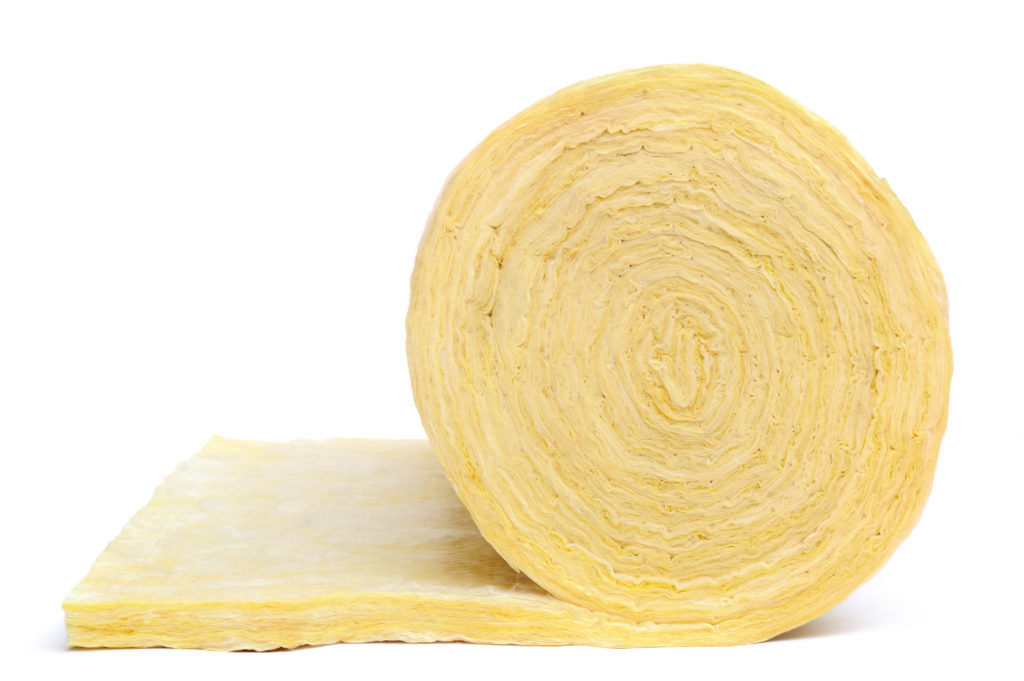
101 of Pole Barn Insulation Rolls
All insulation roll types are designed to enhance thermal efficiency and control structure condensation. Fiberglass insulation rolls are one of the better types. These rolls are made from fine glass fibers that trap air, slowing heat transfer and providing adequate insulation. The thicker the roll, the more effective it will be.
Fiberglass insulation rolls are easy to install. They roll out and are cut to fit between the barn’s framing members. Most orders include a VRR+ vapor barrier on one side, which should face the interior to prevent moisture accumulation.
What Pole Barn Insulation R-Value Should I Have?

Selecting the Right R-Value
Choosing the correct R-value for pole barn insulation is essential for optimal energy efficiency. The key factors are your geographic location, climate, and the building’s purpose.
The R-value measures the insulation’s resistance to heat flow; higher values mean better insulation. In cold temperatures, especially if one intends to be in the structure often or for long periods, a higher R-value (R-30 to R-49) is usually selected for retaining heat. A lower R-value (R-19 to R-30) may suffice in milder zones. Again, one of the R-value factors is the purpose of the building. For instance, if the building is mainly for storage, the R-value is usually selected from R-10 to R-19.
Consulting local building codes can also provide guidelines on recommended R-values. In conclusion, consider your needs, such as energy cost savings, comfort, and activities conducted inside the barn.
Read more website testimonials and/or Better Business Bureau report and/or Google Reviews
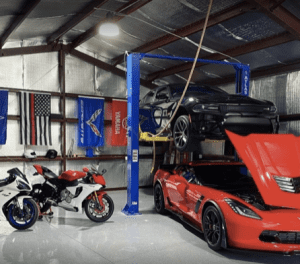
“I have been a part of two orders and am now working on my third order from Factory Steel Overstock. John Barber is always helpful throughout the entire process from start to finish.”
David Muniz
30′ x 50′ x 16′ w/ R-22 Reflective Insulation

“We love our steel building. We erected it ourselves.
Thank you Factory Steel Overstock.”
Gerald Johnston
50’x60’x16′
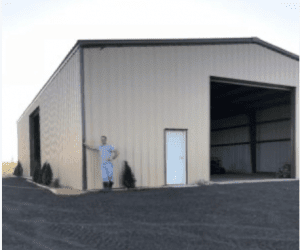
“I got a good deal on the building, and good service.”
G. Benz
50′ x 75′ x 16′
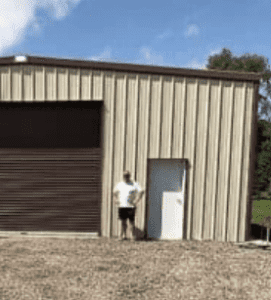
“We love our building! Mr Barber was really easy to work with. Our building was delivered as scheduled. Everything was there with good instructions. Would buy from this company again.”
L. Hadcock
40′ x 60′ x 14′
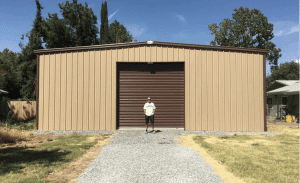
“Well, 14 months in the making and a lot of sweat and work but it’s done. FSO was overall great to work with even though there were some hiccups along the way, I continue to refer other friends and people to what I feel is still the best deal on manufactured buildings! Thanks, John for helping the dream come true!”
Mark M.
40′ x 60′ x 14′
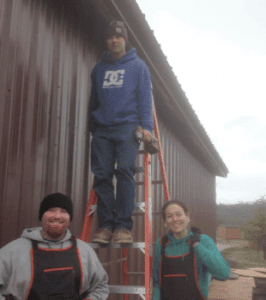
“Thank you for everything!”
Lauren F.
40′ x 40′
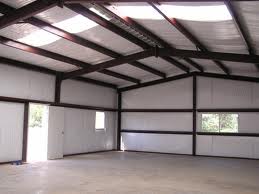
“Easy process. Do your homework, know what you want when you call and you will save $$. I saved hundreds over other prices I got.”
Brad Lezzi
1/10/2024 (Fiberglass Insulation Order)
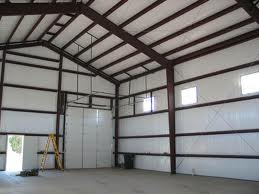
“I would recommend this company. They do things the right way.”
Carlos Frank Rodriguez
1/11/2024
3″ Fiberglass Insulation
Why Pole Barns Require Insulation
Good pole barn insulation protects your structure against noise pollution, condensation, corrosion, mold, and energy loss, which will be elaborated on in more detail below.
1. Help Sustains Building Value
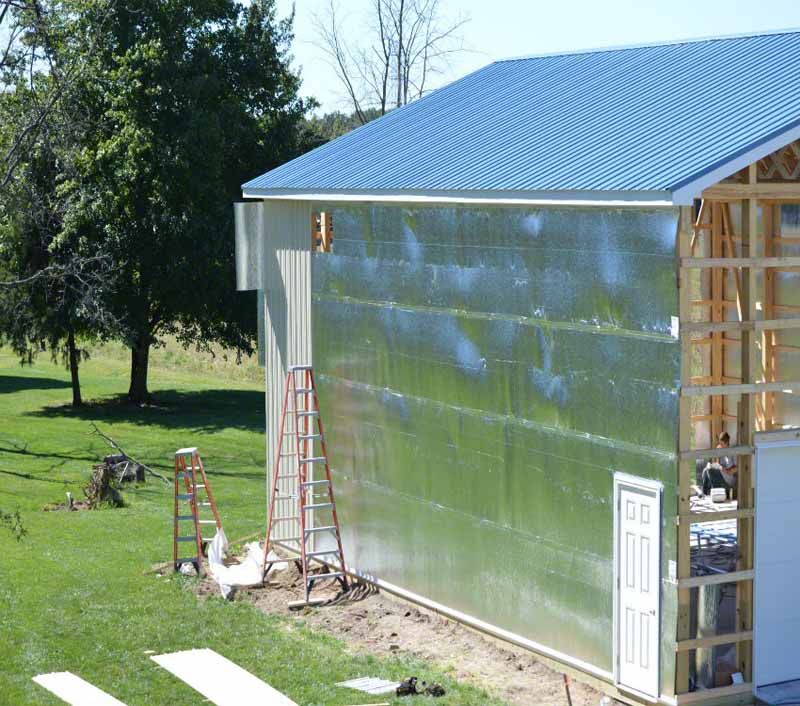
Help Sustains Pole Barns Value
By improving thermal efficiency and preventing structural moisture damage, it extends building lifespan, lowers operating costs, and preserves resale value and long-term structural integrity. Remember, your building is an investment.
2. Stops Heat Transfer
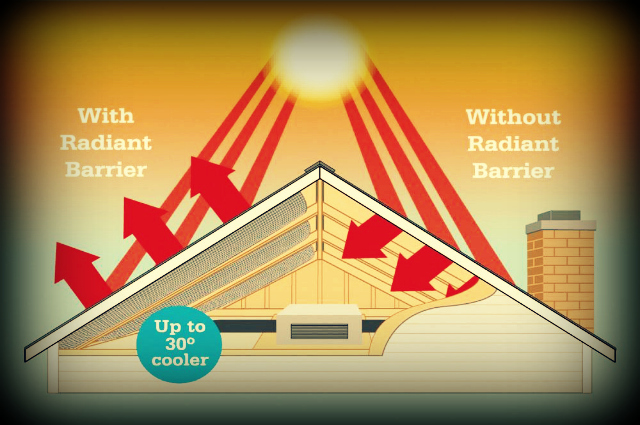
Reduces Heat Transfer
An insulation R-value measures a material’s ability to stop heat and cold transfer. Insulating a metal building is valuable regardless of its usage. Because of their unique nature, steel buildings require a vapor and radiant barrier.
- The summer heat (the sun’s rays) on a steel surface will create extreme heat inside the building.
- Supplementing your fiberglass with reflective material can reduce radiant heat transfer by as much as 97%.
The best part is that you can buy it at Cheap Pole Barn Insulation Prices Online
3. Stops Mold and Mildew
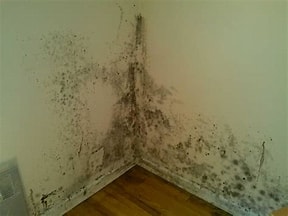
Stops Mold and Mildew
We’ve all seen some form of discoloration on walls. This is a reflection of mold or mildew. These are the primary types of fungi that can grow in your pole building if you don’t have the proper insulation:
- Aspergillus niger
- Aspergillus avus
- Aspergillus versicolor
- Penicillium funiculosum
- Chaetomium globosum
4. No Rodents, Bugs, or Birds can Nest

Reduces Bugs, Birds, and Rodents
Protecting your building from rodents, bugs, and birds is essential. These creatures will naturally create nests in any available place. It is harder for rodents and bugs to nest within your structure when a rat guard, closures, with supporting protective insulation is utilized.
5. Stop Condensation

Stop Condensation
Most are unaware that condensation is the #1 cause of damage within pole barns. Condensation occurs when warm air contacts a cold surface. Factory Steel Overstock’s insulation prevents moisture from occurring on the roof sheeting. Simply put, it keeps the building temperature the same as outside, so there is no condensation.
6. Reduces Air Flow
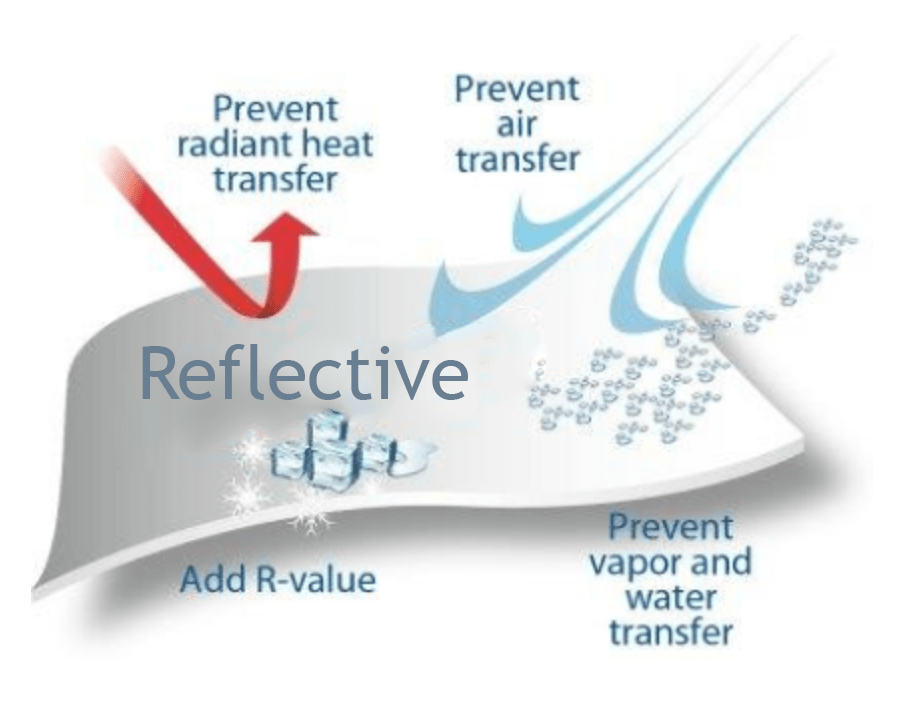
Reduces Air Flow
Air carries moisture that can affect a building’s temperature and integrity. The airflow within a pole barn determines the spread of toxic smoke and gases. Air barriers separate garages and conditioned spaces. The air barrier also acts as a gas barrier.
7. Limits Leaking
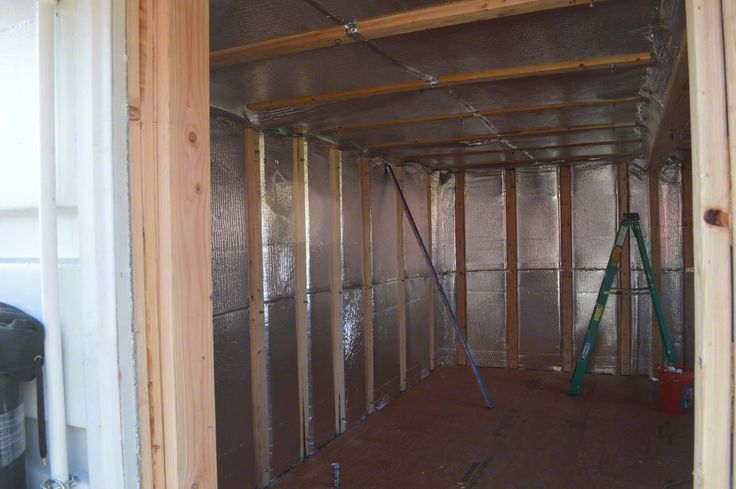
Reduces Leaks
No insulation totally stops leaks. One should definitely airproof their structure; however, a strong protective vapor barrier definitely can assist. Simply don’t leave gaps around nails or screws when installing.
8. Vapor Barrier
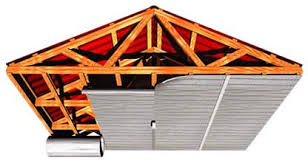
Vapor Barrier Protection
Having protection in a pole barn prevents moisture from moving through the pole barn and condensing on cold metal surfaces.
9. Reduces Sound of Rain and Hail
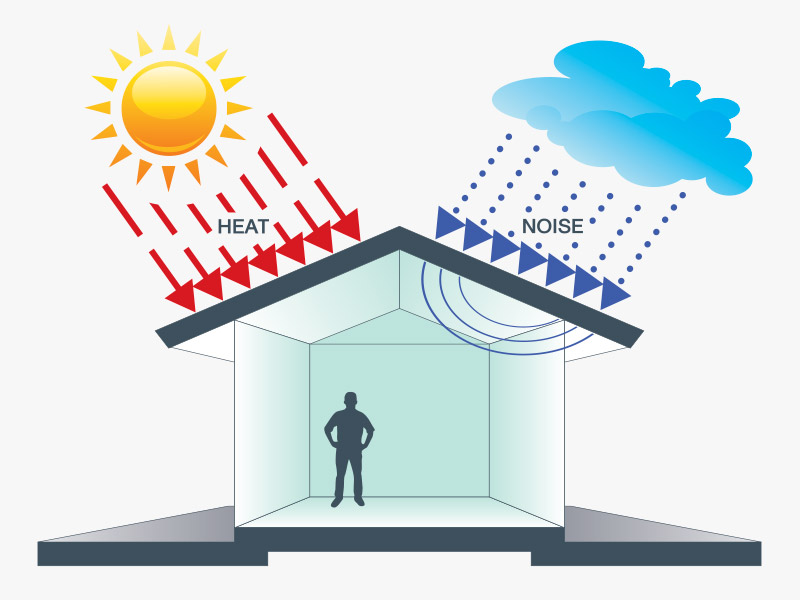
Reduce Noise
The sound of rain or hail can be deafening. Including pole barn insulation is the perfect solution to dramatically reduce this noise.
Four Key Reasons Why People Buy Pole Barn Insulation
1. Thermal Efficiency
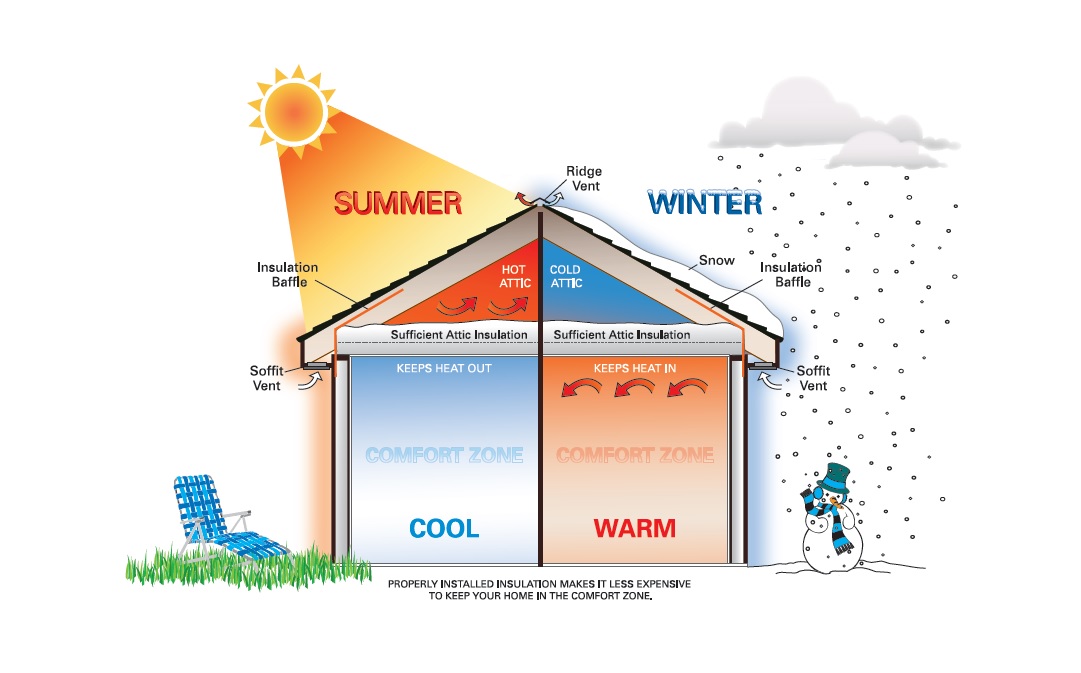
Thermal Efficiency
Fiberglass insulation has high thermal resistance or R-value options, effectively reducing heat transfer. This keeps your pole barn warmer in winter and cooler in summer, improving comfort and reducing energy costs.
2. Cheap Pole Barn Insulation Prices

Cheap Prices
Pole barn fiberglass insulation is more affordable than other insulation materials like spray foam. It provides a cost-effective solution for maintaining temperature without a significant initial investment.
6. NIA, NAIMA, and ASTM Certified
Certification Standards
These fiberglass materials certifications are the gold standard for insulation. They meet or exceed IAS, NAIMA, and ASTM standards.
3. Ease of Installation
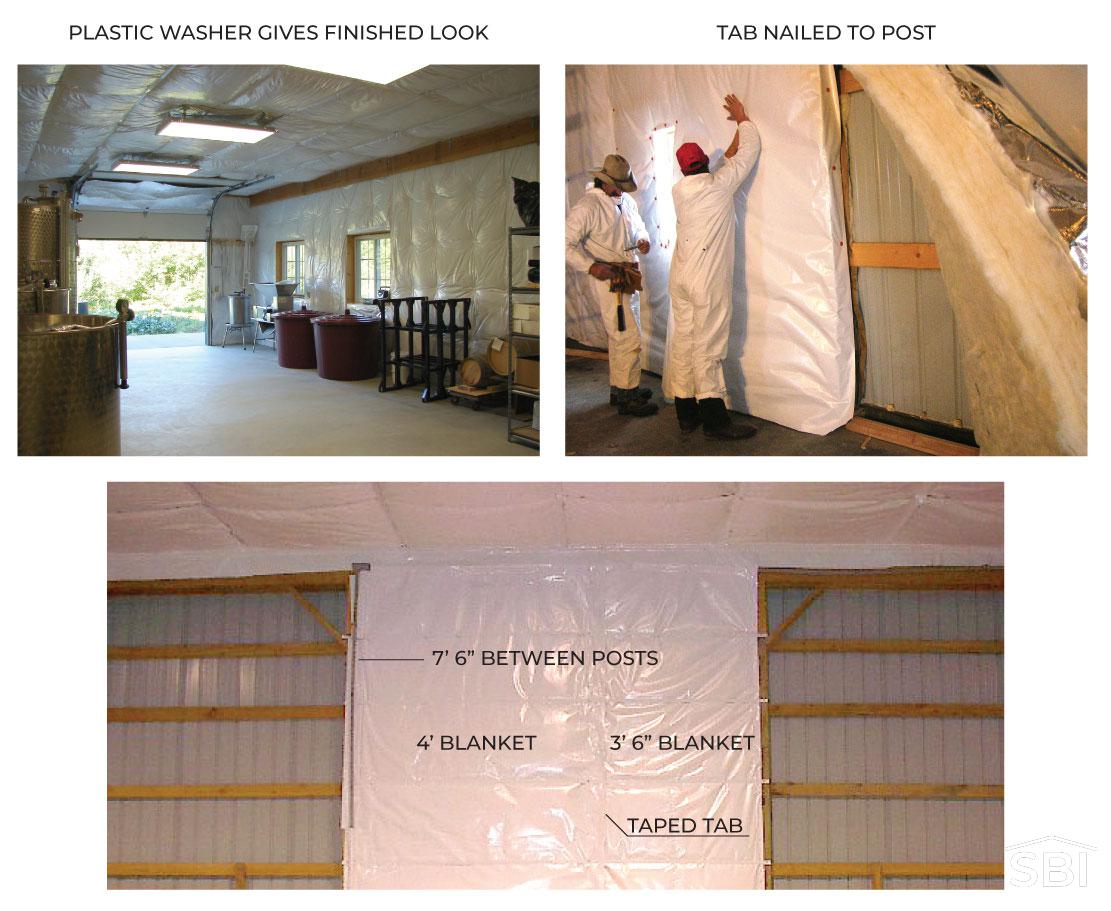
Easy Installation
Fiberglass Pole Barn insulation is relatively easy to install, especially in post-frame pole barn construction. It can be cut to fit between posts and secured with minimal specialized tools or skills.
Fiberglass WMP-30
Each insulation (VR-R, WMP-10, and WMP-50) has its advantages. Here’s what makes WMP-30 unique compared to the others:
1. It has a Durability Advantage Over VR-R and WMP-10
- WMP-30 has a thicker, reinforced facing than VR-R and WMP-10, making it more resistant to tears, punctures, and wear.
- Stronger than VR-R, which has a standard vapor retarder.
- More durable than WMP-10, which provides basic reinforcement but less strength than WMP-30.
2. More Moisture Protection
- Better moisture resistance than VR-R and WMP-10, making it ideal for humid environments, metal buildings, and areas prone to condensation.
- While WMP-50 offers the highest moisture resistance, WMP-30 provides a strong middle-ground option for applications that don’t require extreme protection.
3. An Edge With Thermal Performance
- Better than VR-R and WMP-10 in maintaining thermal integrity over time.
Best Applications for WMP-30
If you have a metal building that require superior moisture resistance, this is the facing.
It is definitely the choice if you are located in a high-humidity environment, for it offers a better protection than WMP-10.
Fiberglass WMP-50
Not only is our WMP-50 on sale, it stands out as the most durable and moisture-resistant option of out three key fiberglass facing options ( VR-R, WMP-10, and WMP-30). Key advantages:
Maximum Durability
- Thickness equals strength and durability. Our WMP-50 features the thickest and strongest facing available! It has superior tear and puncture resistance. It is usually chosen for high-traffic or exposed areas where insulation may be at risk of damage.
Highest Moisture Resistance
- This facing exceeds all options when it comes to moisture and vapor protection!
- Ideal purchase for cold storage facilities or industrial buildings.
Superior Thermal Performance Maintenance
- While R-value is determined by insulation thickness, WMP-50’s advanced facing helps maintain consistent thermal efficiency by preventing air leaks and moisture intrusion better than VR-R, WMP-10, or WMP-30.
Our Best Offer For Extreme Conditions
- When customers need insulation for cold storage, high-moisture facilities, and high traffic structures, we recommend WMP-50!