If you’re still contacting traditional metal building insulation suppliers for quotes, you’re undoubtedly paying more than you need to.
Whether you’re insulating a metal building, a pole barn, or a riding arena, the common quote process often includes hidden fees, markups, commissions, and pricing layers you never see. The result? An inflated insulation price because of all the hands in the cookie jar.
This article offers a better way to buy metal building insulation: purchase through an independent insulation broker.
This may not have been your original plan. However, once you evaluate the broker’s expertise, selling approach, and pricing transparency, you’ll see why it is the wisest way to buy any big-ticket insulation package.
What Is an Independent Insulation Broker?
An independent insulation broker is not a traditional commission salesperson whose income depends on adding markup.
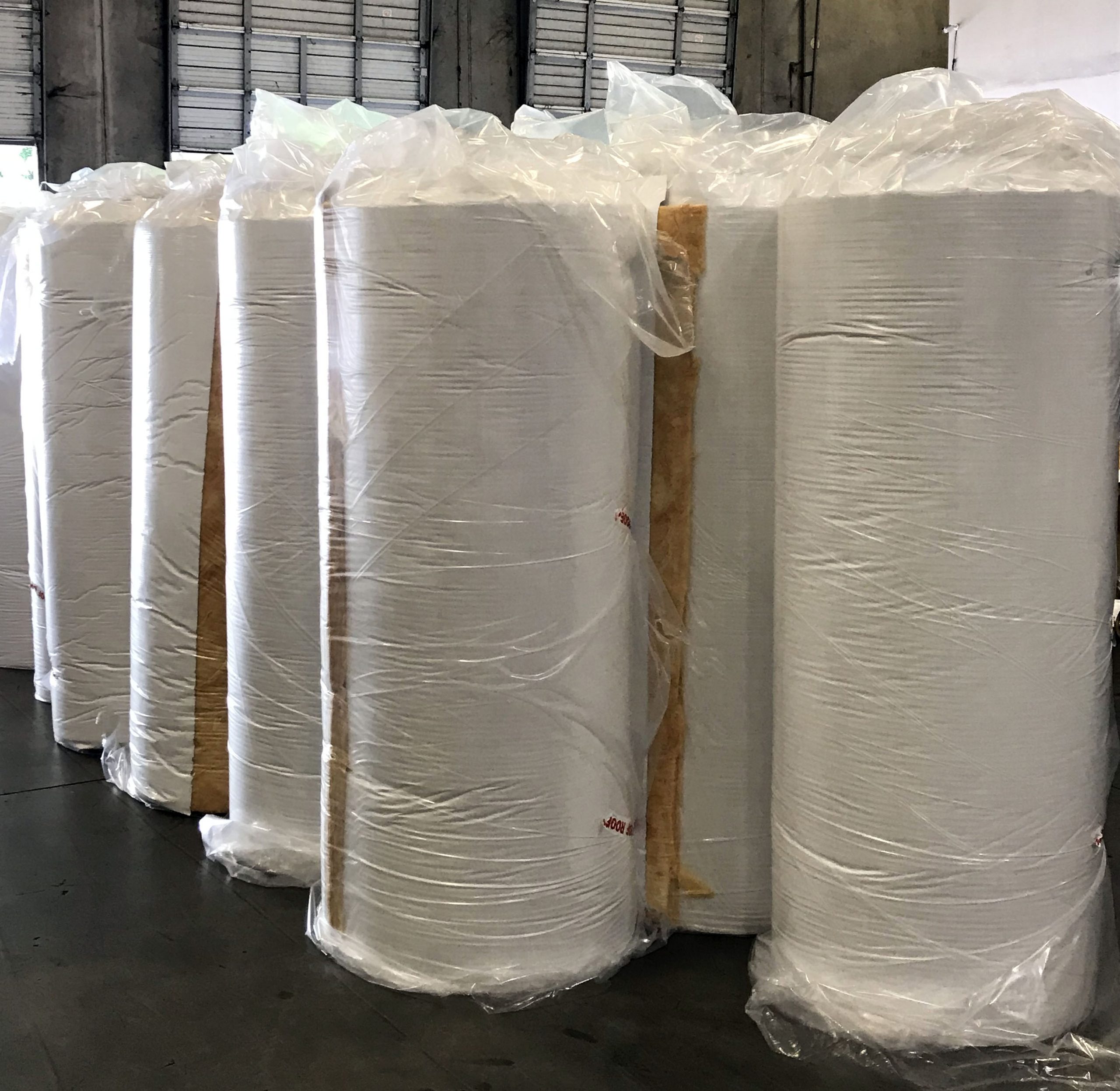
Instead, a broker is an experienced professional who sources vinyl-faced fiberglass insulation, such as:
Common Vinyl-Faced Fiberglass Insulation Types
• WMP-VR-R (Plus)
• WMP-10
• WMP-30
• WMP-50
They do not rely on a single brand or distributor.
Key Characteristics of an Independent Broker
• Works for the customer, not the manufacturer
• Uses multiple plant sources to find the best price
• Provides transparent cost-plus pricing
• Has years of industry experience and supplier access
• Focuses on wholesale savings, not commissions
In short, their decisions are motivated by your price and project needs, not by which manufacturer pays them the most.
Independent Broker vs. Retail Insulation Seller
Retail Seller Pricing Model
• Sets the final selling price
• Includes multiple undisclosed markup layers
• Commission often drives the quote
• Typically represents one brand
• Pricing transparency is rare
Independent Insulation Broker Pricing Model
• Selects material based on your building requirements
• Shows actual material cost
• Displays their service fee upfront
• Uses a cost-plus structure
• Focuses on order coordination and delivery efficiency
The difference is simple:
A retail seller protects margin. A broker protects your budget.
What an Independent Metal Building Insulation Broker Actually Does
A qualified broker does far more than “sell insulation.” They manage the entire procurement process.
Products Typically Offered
• Full line of vinyl-faced fiberglass insulation (black or white)
• WMP-VR-R (Plus), WMP-10, WMP-30, WMP-50
• Laminated blanket insulation or batts
• High R-value metal building envelope systems
• R-values commonly ranging from R-8 to R-38
• Custom roll lengths and widths
• Tab options such as 2″–3″ or 1″–6″
Services Typically Provided
• Clear explanation of customer responsibilities before purchase
• Wholesale pricing disclosure
• Identification of volume discounts when available
• Coordination with the nearest manufacturing plant
• Jobsite delivery scheduling
• Order accuracy verification to prevent costly mistakes
Why Cost-Plus Pricing Eliminates Retail Markups
Cost-plus pricing is the foundation of broker savings.
What Cost-Plus Pricing Means for the Buyer
• You see the actual insulation cost from the plant
• The broker adds a fixed, disclosed service fee
• No hidden commissions
• No inflated brand premiums
This structure removes the traditional multi-layer pricing model that drives retail quotes higher.
Who Benefits Most from Using a Broker
A broker is especially valuable if you:
• Are a general contractor managing multiple buildings
• Represent a church or nonprofit with strict budgets
• Own farms, pole barns, or riding arenas
• Purchase large insulation volumes
• Value time savings and price transparency
If someone can secure better pricing than you can on your own without upfront cost, using a broker is a logical business decision.
Real-World Perspective: The Broker Advantage
I was introduced to a car broker 20 years ago. He saved me over $12,000 and located the exact vehicle within hours.
Most buyers are conditioned to follow the archaic retail process, but you don’t have to. The same principle applies to steel building insulation:
Research your options → find a broker → reduce your total project cost.
For any large insulation purchase, a broker provides:
• Better pricing
• Faster sourcing
• Fewer errors
• Full transparency
A seasoned broker acts as:
• An unbiased insulation specialist
• A pricing advocate
• A logistics coordinator
They streamline the buying process so you avoid:
• Overpaying
• Ordering incorrect materials
• Delivery delays
• Scope misunderstandings
Your time is valuable. A broker protects both your schedule and your budget.
Example of Factory Steel Overstock’s Cost-Plus Pricing
Insulation Package Description
Vinyl-faced fiberglass systems
R-Value 19 (6″) WMP VR-R-Plus (WHITE) Facing, 4′ × 27 Roll length, 972 sq. ft.
R-Value 13 (4″) WMP VR-R-Plus (WHITE) Facing, 4′ × 25′ Roll length, 1,350 sq. ft.
Double-sided tape – 2 Rolls
Patch tape – 2 Rolls
Pickup price in California is $2,286. The delivery cost is $395.
Brokerage Fee Schedule
The current brokerage fees as of 2/16/2026 are:
• $0 – $3,000 → $375
• $3,001 – $10,000 → $650
• $10,001 – $30,000 → $1,025
Based on the wholesale price, the customer paid a $375 brokerage fee.
What the Total Price Includes
• Actual plant material cost
• Freight based on average delivery distance to jobsite
• Clearly stated service fee
• The type of insulation, R-Value, and amount ordered
No hidden layers. No brand-driven pricing. Just a transparent total delivered cost.
Order-to-Delivery Process
Step 1 – Order Form and Brokerage Payment
Complete the Order Form and pay the profit to Factory Steel Overstock.
Step 2 – Direct Payment to the Certified Supplier
Pay balances to the certified supplier.
Within one business day of payment, a customer will receive an order number and instructions to pay the wholesale cost plus applicable taxes directly to the certified supplier.
Step 3 – Shipping Coordination and Delivery Timeline
A shipping scheduler will call to confirm the delivery date within two days of the order.
Standard delivery timeline: 11–21 days
Expedited delivery: 3–10 days (usually for a small additional fee)
Frequently Asked Questions About Using an Independent Insulation Broker
What Safeguards Are There if I Buy Through a Broker?
As with any buying system, conduct a reference check such as Google Reviews and the Better Business Bureau report.
You pay the predetermined brokerage amount to the broker and the wholesale material cost directly to the certified supplier, which offers additional financial transparency.
Do Insulation Brokers Use One Supplier or Multiple?
Brokers are not tied to one source. However, many concentrate orders with one or two large established suppliers to increase buying leverage and maintain consistent quality and service.
Why Aren’t Insulation Brokers More Common?
Traditional retail outlets have been the default purchasing method for years. As more buyers learn about cost-plus procurement, broker usage continues to grow.
Customer Testimonials
“The transaction was very easy, and prices were better than anyone else.”
— Corey Epperly, 2/16/2026
“Easy and honest. A true pleasure doing business with this company. Hard to find customer service of this magnitude in today’s world.”
— Bill Pearl, 1/30/2026
“Excellent service. Straightforward is the way to conduct business. I appreciate his honest approach to business.”
— Bradley Pollack, 1/30/2026
About Factory Steel Overstock
Factory Steel Overstock was established in 2011 by John Barber, a metal building and steel building insulation specialist committed to fair and transparent pricing.
The company:
• BBB accredited since 2011
• Sells vinyl-faced fiberglass insulation throughout the continental United States
• Works with multiple certified fiberglass plants
• Specializes in cost-plus insulation procurement
Here is an example of an Independent insulation broker’s pricing and selling approach