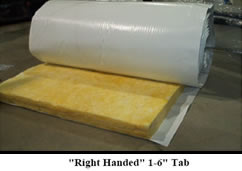
When it comes to protecting your metal building and improving its energy efficiency, one can make a strong argument that fiberglass insulation with a vapor barrier and tear-resistant facing is the best source. Whether you are just starting a new construction process or retrofitting an existing metal structure, fiberglass metal building insulation has been the popular choice for the last 100 years.
My goal within this guide is to walk you through what most want to know: what is fiberglass insulation, what are some of its benefits, and finally, how does it compare in cost to other popular types of insulation?
What Is Fiberglass Insulation?
It was years after selling fiberglass insulation that I learned what it was. I had a vision of it, like you probably do. But a vision is not a definition. Fiberglass insulation consists of fine strands of glass that are woven together into a pillow-like texture. Just think of the stuff in your home addict. The purpose of fiberglass is to reduce air flow, so that heat or cold cannot easily pass through it. By and large, the thicker the amount of fiberglass insulation you use, the more protection you get. For most metal buildings, the R-values range between 10 and 30.
There are typically three types of Fiberglass Insulation:
Batts or Blankets: These terms are often used interchangeably when researching fiberglass insulation for metal buildings or pole barn insulation. However, it’s essential to recognize a key difference for clarity and accuracy when ordering. Batt refers to pre-cut sections. They are cut this way primarily to fit between rafters, studs, and joints. Batt usage is typical of pole barns. Blanket or Rolls refers to when you need continuous coverage with fewer seams. This is often indicative of a large metal structure. The popular metal building type would be fiberglass vinyl faced insulation.
Loose-fill (Blown-in): You will often see this type of insulation in homes. It is small particles of fiberglass blown into areas, such as wall cavities or attic spaces. It is more expensive than batts or blankets, as it requires specialized machinery to install. It has superior coverage in hard-to-reach areas since it is composed of small particles instead of a precut roll or board. It can fill gaps and irregular spaces more effectively. It is the perfect insulation for retrofitting attics where reducing air leaks is key. When it comes to homes, it is the preferred choice since the issues are attics and cavities. However, if you have a metal building, which typically won’t have an attic and fewer tight spaces, fiberglass insulation with a vapor barrier is a better option for metal building insulation.
Rigid Boards: These panels are another popular option for metal buildings. They are dense and primarily used for insulating exterior walls. When utilized in a home, they are mainly ideal for basements or around ductwork, which is not typically found in metal buildings. Since this insulation is thick, it offers a higher R-value per inch than blanket or loose-fill insulation. Because it is a board, it has more moisture resistance. Which, in turn, reduces the risk of mold in basements or exterior walls. Its rigid structure also adds durability, which is important, for if the insulation durability is compromised, there will be a loss in its energy efficiency.
Let’s discuss the Benefits of Fiberglass Insulation
1. Energy Efficiency
Fiberglass insulation significantly reduces heat transfer, helping metal buildings stay warmer in winter and cooler in summer.
2. How Cost-Effective
You can make a convincing argument that reinforced fiberglass insulation is the most affordable material for metal buildings. This point can be supported by the fact that it is easy to install, and one can easily request a thicker amount for additional thermal protection without significantly affecting the installation process.
3. Fire-Retarder
Again, since fiberglass is made of small glass fibers, it can easily incorporate reinforced protective facings, and it doesn’t burn easily. It’s non-combustible and can slow the spread of flames in the event of a fire.
4. Sound Protection
Suppose you have been in a metal building without any fiberglass insulation. In that case, you have likely experienced the amplified sound of rain or hail hitting the exterior sheeting. Having pole barn insulation will significantly reduce this sound.
5. Installation Ease
I’ve touched on this point earlier; however, it bears repeating. Blanket fiberglass insulation is easy to install, especially in metal buildings. It is a popular DIY solution because the average layperson can install it with simple materials.
6. Duration
If precautionary steps are taken, Fiberglass insulation can last up to 80–100 years.Just keep it dry and undisturbed. However, if these steps are not taken,
Comparing Costs of Fiberglass Insulation
Let’s keep this simple: Fiberglass batts/blankets are less expensive than loose-fill (blown-in), and Loose-Fill is less expensive than Rigid Fiberglass Board. If you install yourself, you can save up to 50% of the cost by choosing Blanket insulation. You save on both materials and the construction process.
Comparison to Reflective Insulation and Spray Foam
Fiberglass insulation is less effective at thermal efficiency than spray foam. Spray-on foam offers a better air barrier and higher R-value per inch; however, it is costlier, so that needs to be taken into consideration.
As for Reflective Insulation, it works best in hotter climates because it is primarily created to reflect radiant heat. In some cases, up to 97% of it. However, when you factor in both cold and hot conditions, fiberglass remains the all-around better choice, especially when considering overall cost.
Wrapping Up: When all the dust settles, you need to insulate your metal building. Why just go with the insulation that is the #1 DIY source and save the money? Fiberglass Insulation with a vapor barrier and tear-resistant facing will do the job!