Choosing the Wrong Type of Insulation
Picking the right insulation can make a world of difference in how cozy and energy-efficient your home is. You’ve got several options to choose from—fiberglass, spray foam, and cellulose—each with its unique perks. Know the ins and outs of these materials to make a smart choice.
Types of Insulation
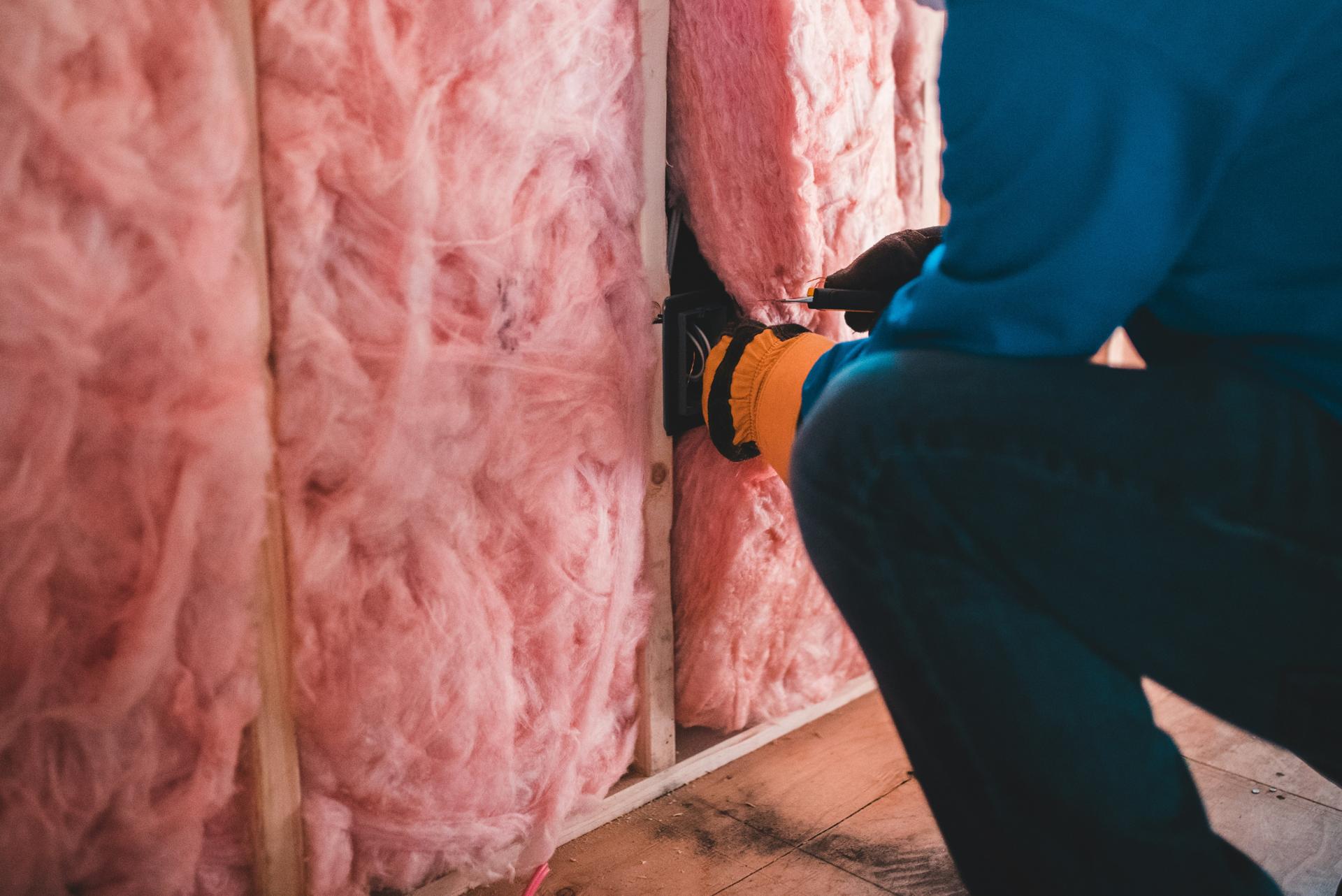
Fiberglass insulation, the budget-friendly favorite, is composed of tiny glass fibers. It typically comes in batts or rolls, making it a breeze to install. Perfect for attics, walls, and floors, it’s a go-to for many.
When it comes to spray foam insulation, you’ll splurge a bit, but the perks are unmatched. Expanding as it’s applied, it seals every nook and cranny, great for hard-to-reach spots, offering top-tier thermal protection.
For the eco-conscious, cellulose insulation is made from recycled paper. Frequently used in attics, it’s dense and superb at insulating once it’s blown into place.
Importance of Correct Selection
Choosing the right insulation for different parts of your home and local climate is vital. Spray foam works wonders in colder climates due to its high R-values and excellent sealing capabilities. Conversely, fiberglass might do just fine in areas with milder temperatures and offers economy for larger spaces.
Bear in mind that spaces like basements and crawl spaces might need specific types of insulation materials that can withstand damp conditions.
Tips for Research and Selection
Factors to mull over when picking your insulation include:
- R-value: Ensure the insulation meets the required thermal resistance (R-value) for your climate zone and project.
- Installation: Check if it’s something you can DIY or if you’d need a professional.
- Cost: Consider the long-term value of the material.
- Environmental Impact: Look into the green credentials and health impacts of the material.
By doing your homework, you’ll avoid the classic blunder of choosing the wrong insulation, leading to a more energy-efficient and comfy home.
Improper Installation Techniques
Nailing the perfect insulation job isn’t just about picking the right material. Installation is key. Slip-ups here can compromise efficiency, creating gaps, compression issues, and thermal bridges. Let’s unwrap these problems and learn how to sidestep them.
Consequences of Poor Installation
Botched insulation jobs allow air to slip through gaps, drastically cutting the insulation’s efficiency. During the chilly months, these gaps let the warmth escape, and in summer, they let the heat creep in, bumping up your energy bills and cutting down on comfort.
Compression is another pitfall. When insulation is stuffed too tightly, it can’t do its job properly. This often happens when the material isn’t measured correctly or is crammed in without a care for maintaining its thickness.
Then there are thermal bridges—direct pathways for heat transfer where insulation is bypassed, typically at studs, joists, or window frames, which undermine your insulation’s effectiveness.
Common Installation Errors and How to Avoid Them
A major installation mistake is not covering the entire area adequately. Even tiny gaps can throw off the insulation’s performance. Measure and cut carefully to ensure a snug fit everywhere.
Overstuffing insulation is another common misstep. Insulation needs space to maintain its fluffiness and trap air effectively. Don’t force it; trim it to fit.
Moisture management is critical. Without proper vapor barriers, condensation can wreck insulation, making it lose its power. Use suitable vapor barriers in moisture-prone areas.
Best Practices for Installation
Whether you’re a DIY enthusiast or a pro, follow best practices. Read up on manufacturer guidelines for the insulation material you select; they contain vital installation tips and precautions.
The right tools can make a world of difference—a utility knife for clean cuts, and a tape measure and straightedge for precision. When using spray foam, don protective gear to avoid inhalation or skin contact.
If you’re unsure about any step, consider hiring a certified contractor. They can offer expert advice and ensure the job is done right, enhancing the efficiency and longevity of your insulation.
Neglecting Air Sealing
A common and critical misstep in insulation projects is overlooking air sealing, a key player in your home’s overall insulation success. Ignoring it can lead to higher energy bills and less comfort, as air leaks rob you of insulation benefits.
The Role of Air Sealing in Insulation Performance
Air sealing is indispensable; it stops unwanted air from leaking through gaps, cracks, and openings. Even top-of-the-line insulation materials falter without proper air sealing. Blocking drafts keeps indoor temperatures stable, boosts energy efficiency, and reduces the load on heating and cooling systems.
Common Areas Overlooked for Air Sealing
Air leaks commonly occur in several often-overlooked areas:
- Windows and Doors: Check for gaps around them and ensure weatherstripping and caulk are properly applied.
- Attic Access Points: Seal openings to the attic, such as drop-down stairs or hatches, to keep warm air in.
- Ductwork: Seams and connections can leak air. Seal them with mastic or metal tape.
- Electrical Outlets and Switches: Insulating gaskets can curb air leakages here.
Strategies for Effective Air Sealing
To max out insulation efficiency, follow these air sealing strategies:
- Conduct a Blower Door Test: It’ll pinpoint air leaks needing attention.
- Use Proper Materials: Sealants, weatherstripping, and foam gaskets are crucial for air sealing. Use the right materials for each job.
- Apply Spray Foam Insulation: Spray foam is superb for larger gaps and can be used in attics, basements, and crawl spaces.
- Regular Inspection and Maintenance: Periodically check sealed areas to ensure they remain effective. Reapply sealant or replace weatherstripping as needed.
By making air sealing a priority in your insulation projects, you’ll enhance your home’s comfort and energy efficiency, making sure your insulation works at its best.